
Shrimp Products Processing Workshop Guide
We will break down the common types of shrimp processing step by step for you.
Introduction
Shrimp is one of the world’s most loved seafoods — nutritious, versatile, and delicious. It can be enjoyed freshly cooked right after harvest, or processed into a wide range of convenient, value-added products for global markets. From local restaurants to international retail shelves, shrimp offers endless culinary possibilities.
However, the way shrimp are processed depends greatly on their freshness and physical condition. Each type of shrimp—whether live, semi-fresh, or frozen—has unique characteristics that determine what kind of product it is best suited for.
As a shrimp processing machinery manufacturer, we have learned that designing the right production line starts with understanding the raw material itself. Different shrimp conditions require different processing methods, machinery configurations, and workflows to ensure the best yield, texture, and product quality. In this article, we will share our insights on which types of shrimp are most suitable for specific products, the common finished shrimp products found in the market, and the key processing steps that transform raw shrimp into ready-to-sell items.
I. Choosing the Right Shrimp for Each Product
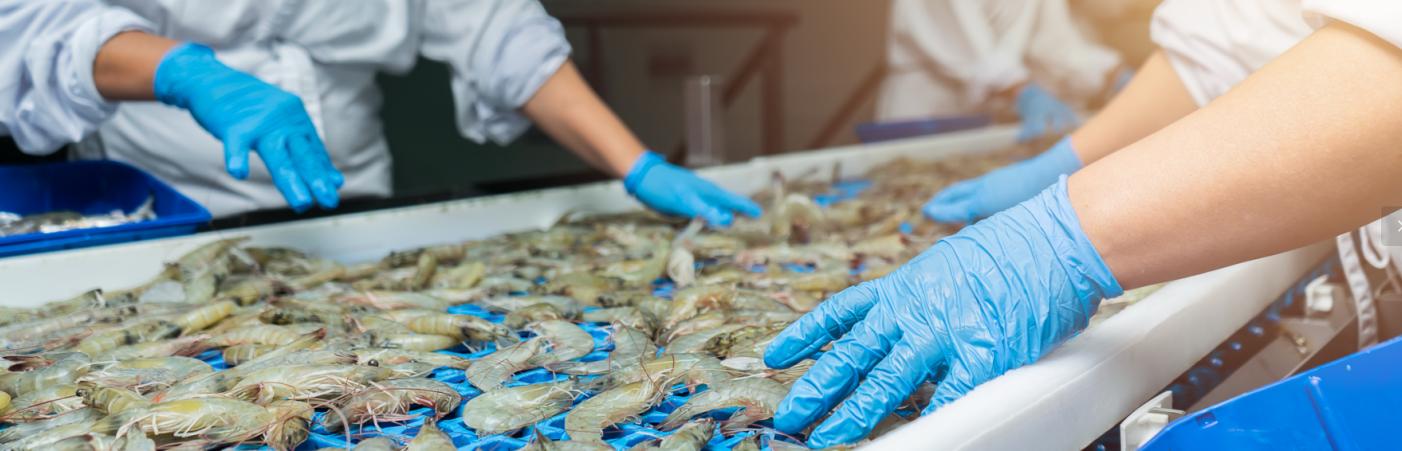
In shrimp processing, the freshness and size of the shrimp determine whether it is best suited for direct sale or for further processing into value-added products. Each shrimp condition — whether live, semi-fresh, or frozen — has its own ideal use and corresponding processing method. Understanding these differences is essential for designing an efficient production line and ensuring the best final product quality.
Live shrimp are the freshest raw material and offer the best taste, color, and texture. They are often sold directly to restaurants or retail markets where consumers prefer live or freshly cooked shrimp. When processed, live shrimp can be boiled or blanched and then frozen, preserving their natural sweetness and firm texture. This type of raw material is ideal for producing cooked shrimp, butterfly shrimp, or high-end head-on frozen products. In modern factories, live shrimp can also be saltwater-chilled before automatic peeling, improving efficiency while maintaining product quality.

Semi-fresh shrimp are those harvested today and processed the next day. They are no longer alive but remain in good condition due to ice-water preservation. Their shells become slightly loosened, making them easier to peel. Because of this, semi-fresh shrimp are particularly suitable for mechanical processing. They can be efficiently turned into peeled and deveined shrimp, shrimp tails, butterfly shrimp, or even shrimp paste. This group of raw materials is ideal for factories that focus on volume production and consistent product yield.

Non-fresh shrimp, on the other hand, are not recommended for deep processing. Once shrimp lose freshness, they deteriorate quickly and become unsuitable for most mechanical operations. The only exception is deep-sea shrimp that are frozen directly on fishing vessels. These can still be processed after unloading if proper onboard freezing and cold-chain storage are maintained. In such cases, the shrimp are often sold whole or simply glazed and refrozen for export.
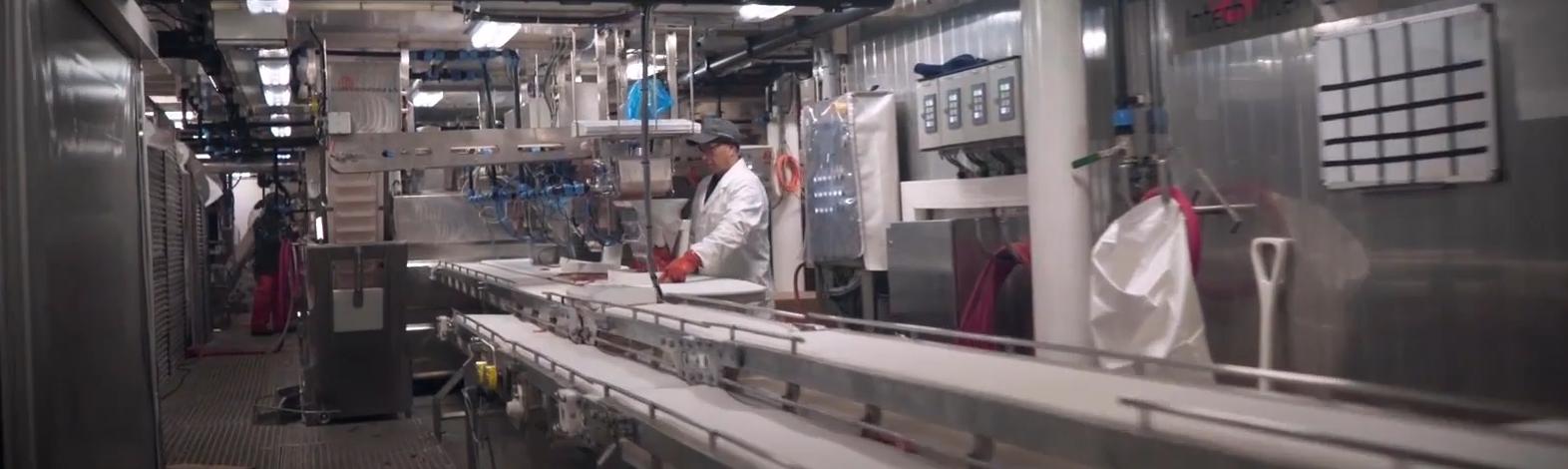
In summary, the choice of shrimp raw material defines not only what product can be made but also which machines and production lines should be used. Live shrimp are ideal for premium cooked and frozen products, semi-fresh shrimp are best for efficient mass production, and non-fresh shrimp are limited to minimal processing or direct frozen sale. As a shrimp processing machinery manufacturer, we design each production line based on these differences, ensuring that every stage — from cooking to shelling — matches the characteristics of the raw shrimp used.
II. Common Shrimp Products in the Global Market
From a processing machinery perspective, the classification of finished shrimp products depends largely on the size and condition of the raw shrimp. Different shrimp sizes require different handling methods, freezing techniques, and levels of mechanical automation. In practical production, shrimp can generally be divided into four product categories — each with its own ideal processing route and equipment setup.
1. Large-Sized Shrimp – Whole Frozen Products
Large shrimp are best sold whole rather than other processing. Their size and appearance make them attractive for premium export markets, where presentation matters. These shrimp are typically frozen whole (HOSO or HLSO) using IQF technology. Two freezing options are common: water spray freezing, which provides faster freezing speed and easier packaging, and ice glazing, which produces a more elegant appearance and slightly increases the final product weight by adding a protective ice layer. For this category, a good IQF freezers, and a suitable glazing process are key pieces of equipment that ensure high output and stable product quality.

2. Medium-Sized Shrimp – Ideal for Processed Products
Medium shrimp are the most versatile raw material for value-added production. They can be transformed into peeled and deveined shrimp (PD/PUD), butterfly shrimp, or cooked shrimp. Medium-to-large shrimp within this size range are often processed manually for high precision — head and shell removal, and vein cleaning by skilled workers — to preserve the meat texture and shape.
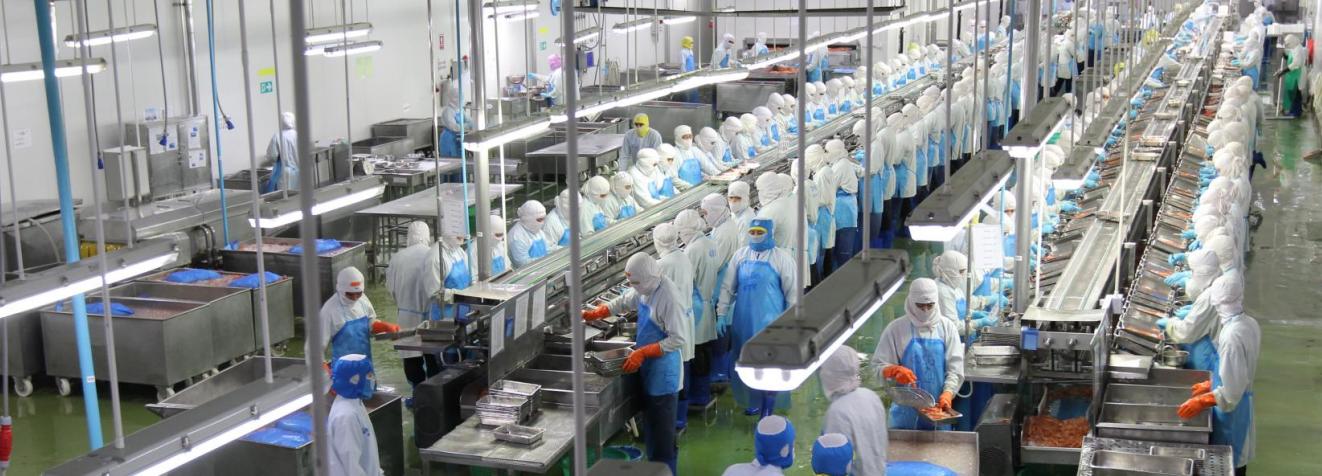
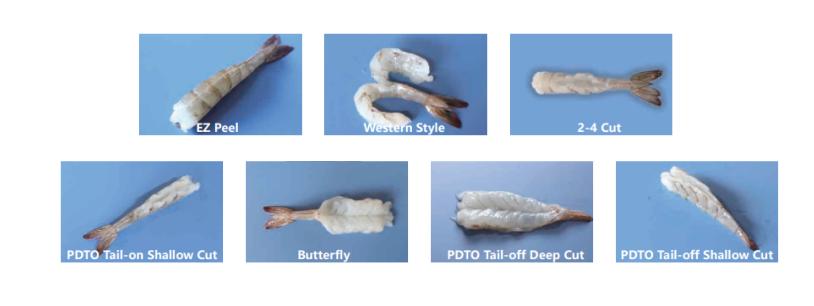
For this category, a combination of manual processing tables, 85℃ shrimp cooking machine, and a peeling systems provides the perfect balance between craftsmanship and automation. This setup helps maintain product uniformity while improving throughput — making it an ideal choice for processors targeting the mid- to high-end shrimp market.
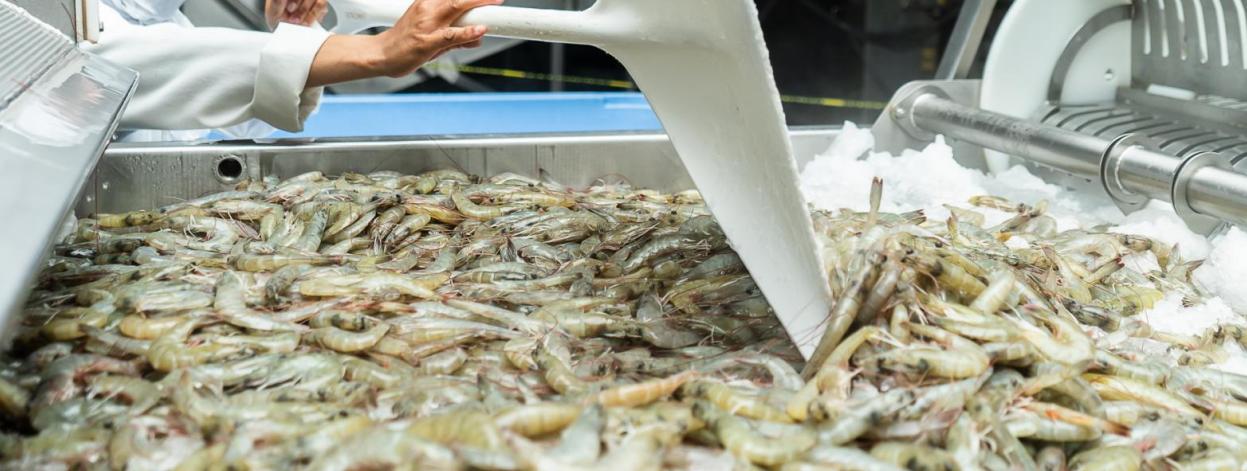
3. Small and Medium-Small Shrimp – Fully Automated Production Lines
Smaller shrimp are highly suitable for automatic peeling and deveining lines, where high-speed processing ensures consistent yield and minimal labor cost. These shrimp can be used to produce raw shrimp meat, shrimp balls, shrimp burgers, or shrimp paste — products with strong demand in both domestic and international convenience food markets. For this category, our automatic peeling machines, shrimp meat cleaning lines, and fine grinding systems can greatly improve production efficiency while maintaining hygiene and uniformity.
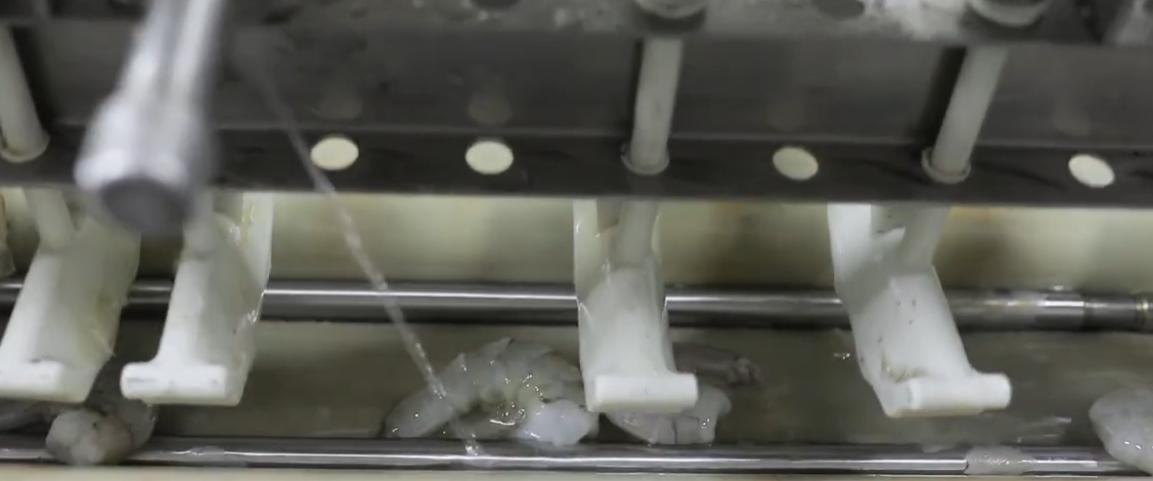
4. Very Small Shrimp – Customized Applications
The smallest shrimp, often under commercial size for conventional peeling, are usually processed based on customer-specific requirements. Some buyers use these shrimp for shrimp powder, feed production, or seasoning bases, while others may request specialized processing such as cooked mini shrimp or dried shrimp. In such cases, the production line must be flexible and adaptable. Our multi-function blanching, drying, and mincing systems can be adjusted to meet different product needs.
Across all four product categories, the same principle applies: the size of the shrimp defines the product type and the mechanical process required. Large shrimp demand careful freezing and visual presentation; medium shrimp require controlled manual or semi-automatic peeling; smaller shrimp rely on full automation to achieve speed and consistency.

III. Product Classification and Typical Processing Steps
In modern shrimp processing, finished products can be classified according to their degree of processing and final form. Each product type follows a specific sequence of operations, from raw material handling to freezing. Understanding these workflows helps processors design efficient production lines and select the right machines for each stage.
1. Whole Shrimp Products
Typical Products:
Head-on shell-on (HOSO); Headless shell-on (HLSO); Cooked whole shrimp.
These products retain the natural appearance of shrimp and are popular in premium retail and restaurant markets. Since the head and shell remain, these shrimp require gentle handling to maintain shape and color.
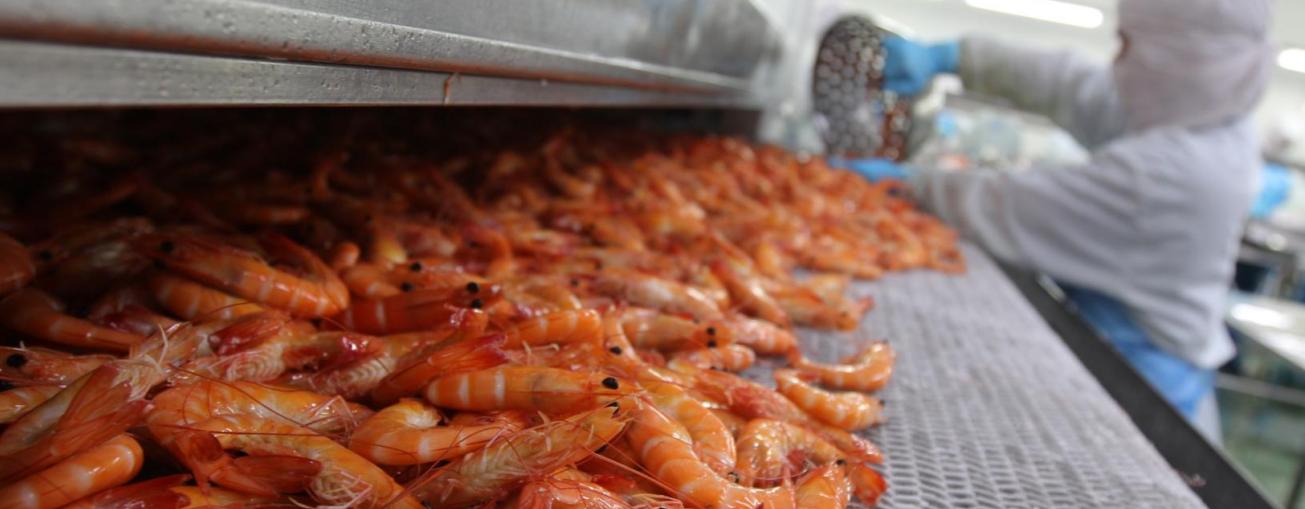
Typical Processing Steps:
Receiving → Grading by Sizes → Remove the shrimp head (if required) → Cleaning and rinsing → Cooking or blanching → Cooling → Freezing (IQF, brine, or air blast) → Glazing.
Recommended Equipment:
Shrimp grading machine, Shrimp deheading machine, cooking tanks, brine chillers, IQF tunnel freezers, and glazing systems. Automation helps maintain consistent product size and surface quality while minimizing manual handling.
2. Peeled and Deveined Shrimp (PD/PUD)
Typical Products:
Raw peeled shrimp; Cooked peeled shrimp; Peeled and deveined (tail-on or tail-off).
This is one of the most common product categories for international trade. The main focus here is on yield, hygiene, and uniformity.

Typical Processing Steps:
Receiving → Deheading → Peeling → Deveining → Washing → Optional blanching or cooking → Cooling → Freezing.
Recommended Equipment:
Automatic peeling machines, deveining systems, washing conveyors, and IQF or spiral freezers. Temperature control and gentle water flow during washing are key to maintaining meat texture and preventing dehydration.
3. Butterfly Shrimp and Z-Peel Products
Typical Products:
Butterfly shrimp; Z-peel shrimp; Fancy cut shrimp for premium markets.
These products require precise cutting and presentation, often targeting foodservice or retail customers who value uniform appearance.
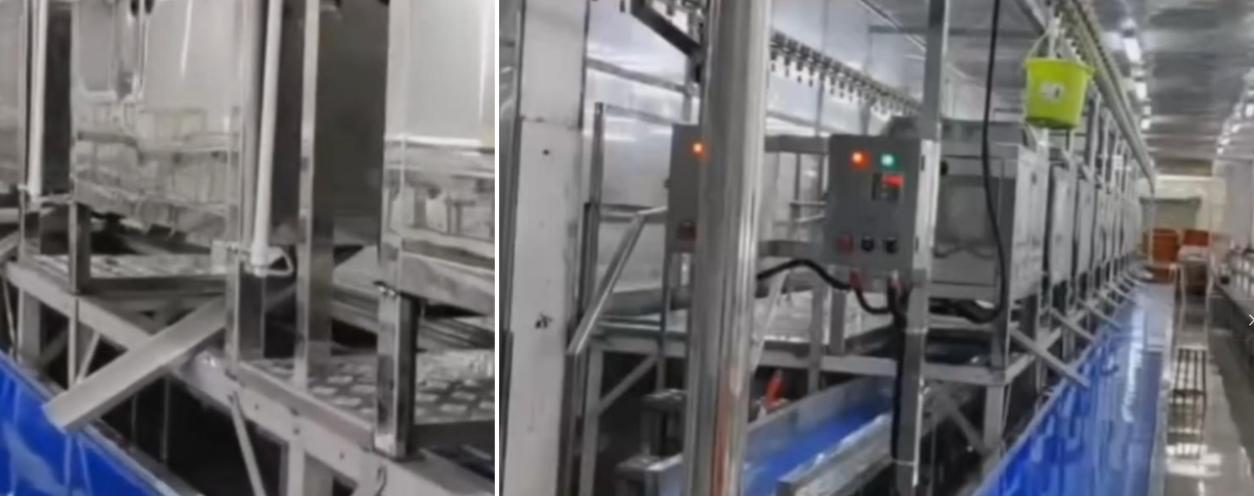
Typical Processing Steps:
Receiving → Grading → De-heading → Semi-automatic peeling (5-axis peeling machine) → Deveining → Cutting into butterfly or Z-shape → Washing → Blanching or partial cooking → Cooling → Freezing.
Recommended Equipment:
Five-axis semi-automatic peeling machine, precision cutting units, washing conveyors, and IQF freezers. Our semi-automatic system allows workers to simply load shrimp onto the conveyor while the machine performs accurate cutting and shell removal automatically.
4. Value-Added Products
Typical Products:
Shrimp meat for dumplings or fillings; Shrimp balls, burgers, or patties; Shrimp paste or puree for sauces.
These products focus on convenience and secondary processing, usually requiring grinding, mixing, and shaping equipment.
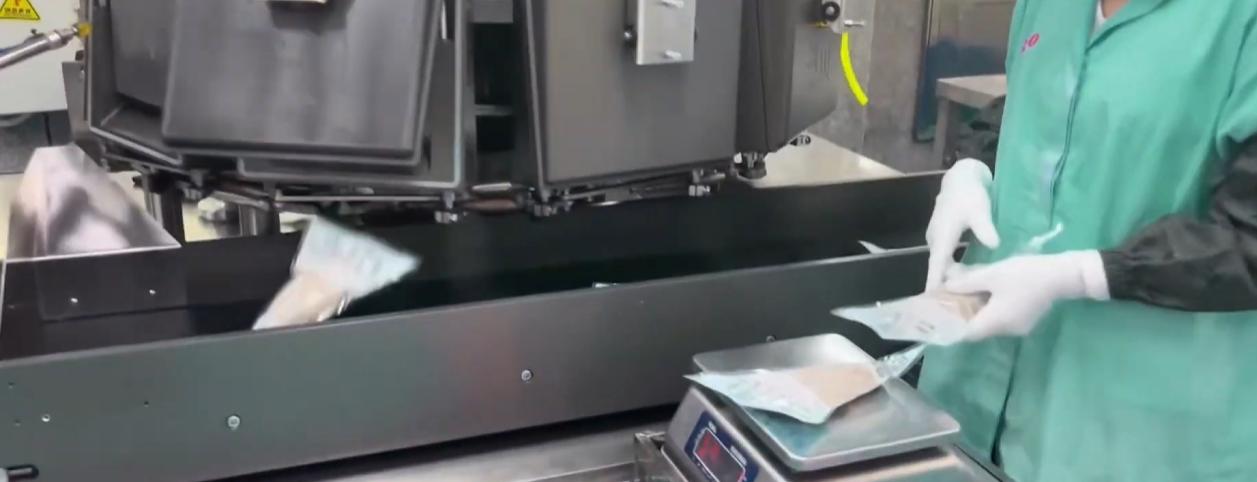
Typical Processing Steps:
Receiving → Shell removal → Deveining → Meat separation → Grinding or chopping → Mixing → Forming → Cooking or steaming → Cooling → Freezing.
Recommended Equipment:
Meat extraction machines, fine grinders, mixing and forming systems, and cooking–cooling lines. Automation in these stages ensures uniform size, consistent texture, and food safety — critical for ready-to-eat or processed shrimp products.
5. Specialized and Custom Products
Some shrimp are processed according to specific customer requests, such as small cooked shrimp for salads, dried shrimp, or crushed shrimp for seasoning. These processes often combine steps from multiple categories, depending on the target market and required texture.
Recommended Equipment:
Flexible modular systems — such as blanching, drying, or mincing lines — allow processors to adjust parameters easily to produce different specialty products in one facility.
Conclusion
Whether producing whole frozen shrimp, peeled shrimp, or value-added items, every product type follows a carefully designed workflow to achieve consistency and efficiency. The right combination of grading, de-heading, peeling, deveining, cooking, cooling, and freezing ensures maximum yield and premium quality.
The processing steps mentioned in this article are a general overview of common workflows. Each factory requires a tailored solution depending on its production capacity, shrimp species, and desired final products. For detailed technical guidance and a customized process design, please contact our engineering team — we can help you plan the most efficient and cost-effective production line for your needs.
It is also important to note that shrimp packaging represents a separate but equally critical stage in the processing chain. Packaging directly affects product preservation, shelf life, and market presentation. To learn more, please refer to our next article: Shrimp Packaging Techniques and Preservation Methods, which explains modern packaging solutions designed for different shrimp products and market requirements.