
Shrimp Packing Processing Workshop Guide
After shrimp prawn processing, whether it is manual packaging or automated packaging, we will analyze for you.
Introduction
Packaging is the final but most important stage in shrimp processing. It not only protects the shrimp from damage and dehydration but also preserves its freshness, color, and flavor during storage and transport.
Good packaging helps processors deliver products that look great and taste fresh when they reach the customer.
In this article, we will focus on three main topics:
I. The common packaging methods used for shrimp products;
II. When to use automatic weighing and packing instead of manual methods;
III. An overview of typical packing workflows before the product enters cold storage.
We will not discuss decorative packaging that requires manual shrimp placement or “pack first, freeze later” processes. Instead, we’ll focus on the practical methods most commonly used in shrimp factories today.
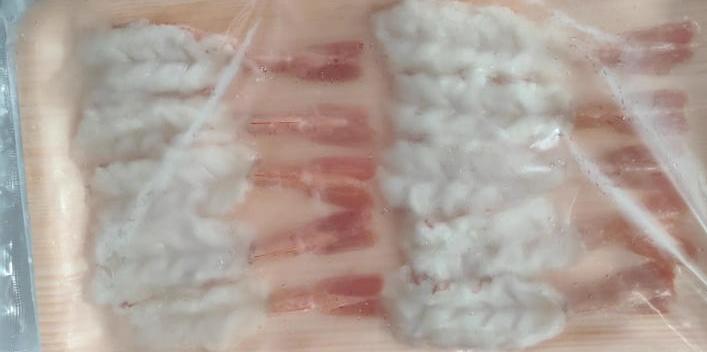
I. Common Packaging Methods for Shrimp Products
Shrimp packaging comes in many forms, depending on the target market and product type. Generally, we can divide shrimp packaging into two main categories: retail packaging and wholesale packaging.
Retail packaging is what you most often see in supermarkets — products ready for consumers.
Boxed shrimp are commonly packed in 1 kg, 2 kg, or 5 kg sizes, or 0.5 lb, 1 lb, and 3 lb for export to North America. These boxes may contain raw whole shrimp, cooked shrimp, or peeled shrimp.
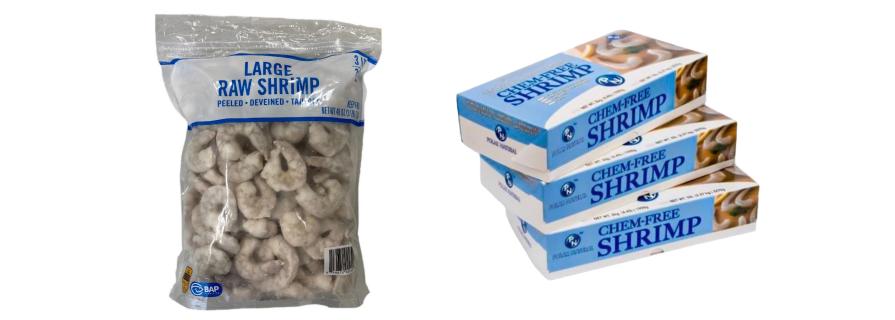
Bagged retail products are usually 2–3 kg or 1–3 lb, and most often contain peeled shrimp. Bags are lighter, flexible, and easy to display in frozen retail shelves.
For wholesale packaging, the quantities are larger. Common sizes include 10 kg bags, 5 lb or 10 lb bags, or 20 kg cartons. These are mostly used for restaurant supply, catering, or reprocessing by other factories.
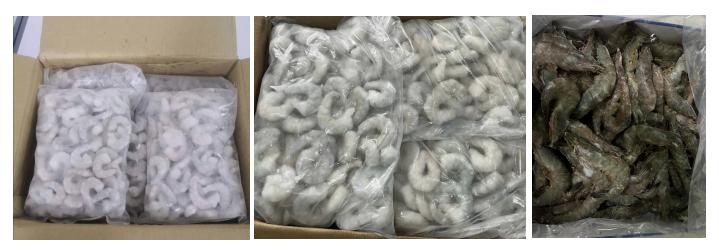
Each packaging type has its own advantages. Smaller packs focus on appearance and convenience, while larger bulk packs prioritize efficiency and storage stability. The right choice depends on the product’s destination market and your production setup.
II. When to Use Automatic Weighing and Packing
When it comes to shrimp packaging, one of the biggest decisions is whether to use manual weighing and packing or automatic weighing and packing. Both have their benefits — it all depends on your factory’s environment, production scale, and product type.
For retail packaging, because each pack is small, many processors prefer multihead weighers for automatic portioning. This system is fast and accurate, but there’s one challenge — shrimp with an ice glaze can start melting when sitting on the weighing platform at room temperature. Once the glaze softens, the shrimp begin to stick together, causing inaccurate weighing or even machine blockages.

To solve this, automatic weighing systems should be installed in a temperature-controlled room, where the air is kept cold enough to prevent melting. This setup works well for large-scale factories with high capacity and enough space for a dedicated low-temperature weighing area.
However, for processors in warmer regions like Southeast Asia, where the ambient temperature is high and space is limited, manual weighing and packing remains a more reliable and flexible solution. Workers can control the process visually and quickly separate any shrimp that begin to stick together.
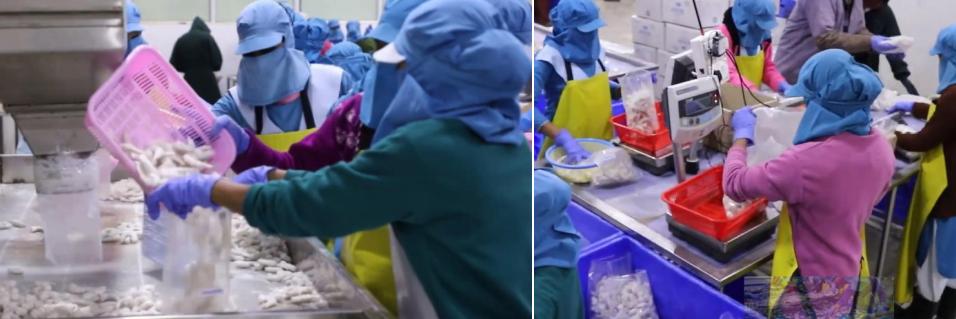
At the same time, our R&D team is developing a new automatic weighing and packing system that performs accurately even at room temperature. Once complete, this innovation will make automatic packing accessible for small and medium-sized processors as well.
For wholesale products, since each pack is much heavier (5–20 kg), weighing accuracy just need less sensitive. In this case, both manual and automatic packing work well. We usually recommend installing a batch weighing unit close to the IQF freezer outlet, so the shrimp can be packed immediately after freezing. This helps prevent sticking and improves efficiency.
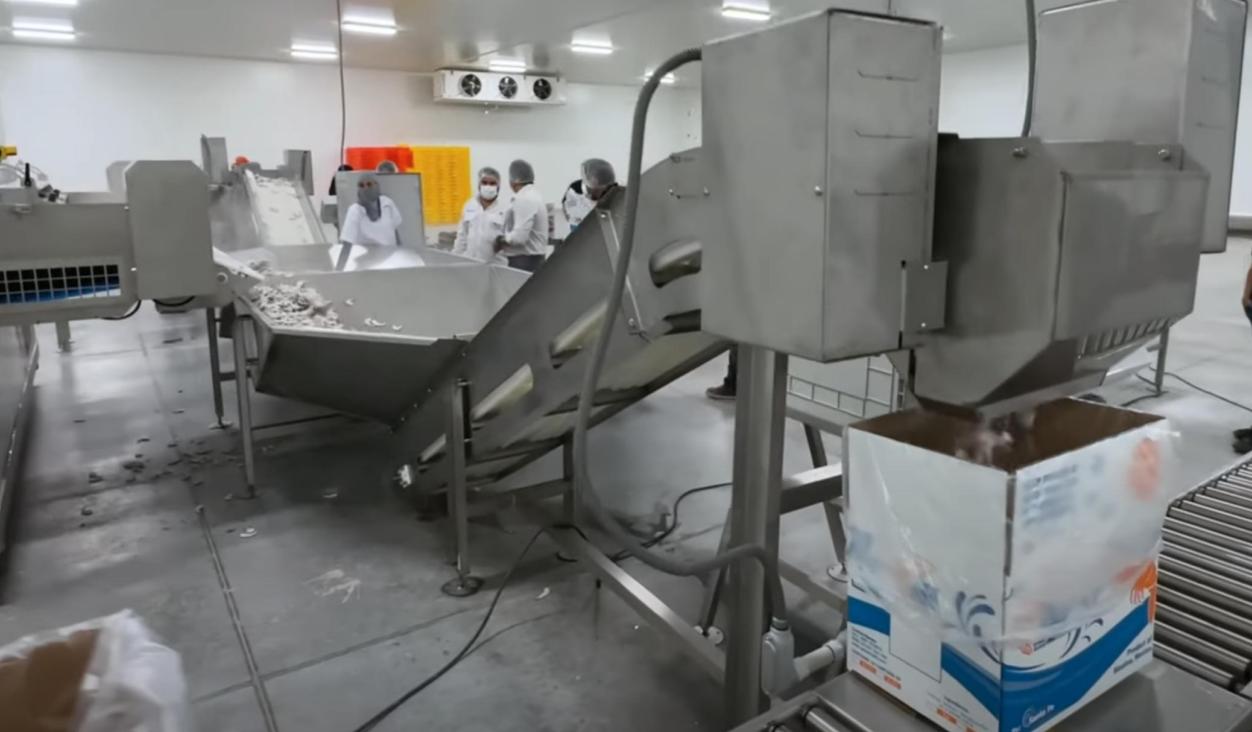
III. Overview of Common Packing Workflows
Let’s take a closer look at how shrimp are usually packed before they enter cold storage or shipping.
While every plant has its own setup, most shrimp packaging lines follow similar logic — simple, reliable, and focused on maintaining quality.
Retail Box Packing
There are two common approaches:
1. Weighing before freezing: Shrimp are portioned into boxes using a multihead weigher, lightly sprayed or dipped in water to form a thin ice layer, and then frozen in the IQF freezer. This process is simple, efficient, and allows for higher capacity.
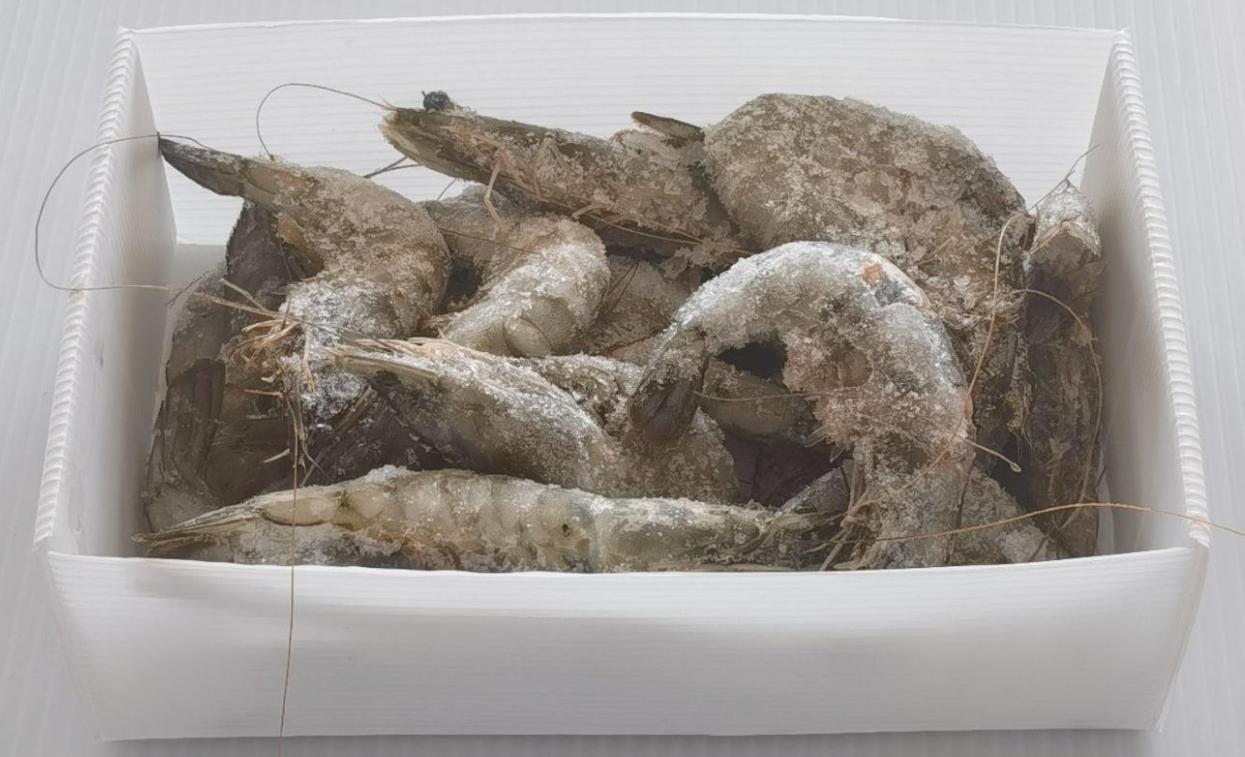
2. Packing after glazing: Many customers prefer to glaze shrimp first for a better appearance, then manually weigh and pack. Manual handling helps avoid the sticking that can occur when glazed shrimp go through an automatic system.

Retail Bag Packing
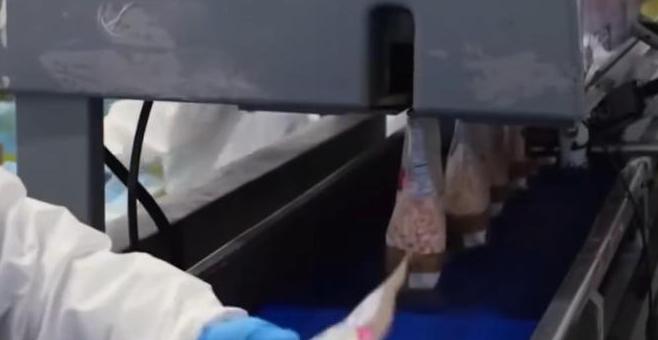
Retail bags usually contain peeled shrimp. These are typically glazed rather than water-frozen, which enhances texture and shine. However, because glazed shrimp tend to stick together, most processors still rely on manual weighing and packing for this step — until our upcoming room-temperature auto-packing solution becomes available.
Wholesale Bag or Carton Packing
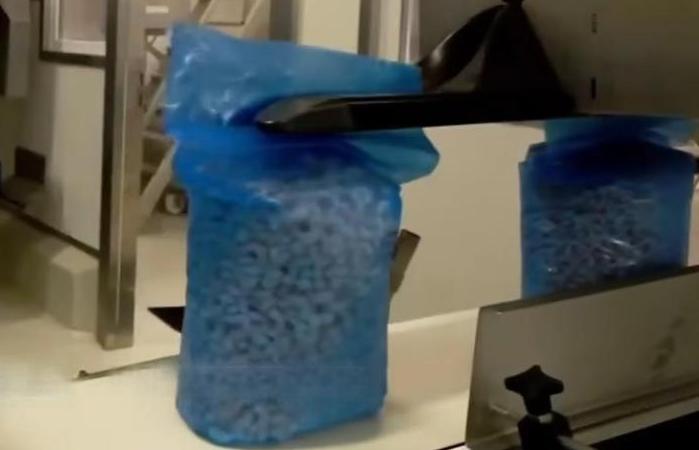
For large bulk packages — 10 kg bags or 20 kg cartons — both manual and automatic options are practical. The choice mainly depends on your labor cost versus machine investment. The key point is to position the packing area as close as possible to the IQF outlet, keeping shrimp cold and loose for smoother filling.
Conclusion
Packaging is more than just putting shrimp into boxes or bags — it’s about protecting the product, keeping it fresh, and making it look appealing to customers.
The workflows mentioned above are general examples used across the industry. Each factory needs a packaging system tailored to its own capacity, shrimp type, and product format. For detailed recommendations or a customized packaging solution, please contact our team — we can help design a system that perfectly fits your production goals.
Finally, keep in mind that the packaging process itself includes several finishing steps such as sealing, metal detection, labeling, and carton loading. These are also important parts of a complete shrimp packaging line, which we’ll be happy to discuss with you directly.