
Introduction for Common Commercial Shrimp or Prawn
What are the common types of commercial shrimp and prawn? We are here to provide you with a detailed introduction.
Introduction
Shrimp and prawns are among the world’s most consumed seafoods, prized for their delicate flavor, firm texture, and versatility in cooking. They are also a major raw material for the global seafood processing industry, from frozen exports to value-added products.
Although the terms shrimp and prawn are often used interchangeably, they refer to two different types of crustaceans. Scientifically, shrimp usually belong to the family Penaeidae, while prawns are typically from the family Palaemonidae. The key difference lies in their body structure—prawns have longer legs and a branching gill system, while shrimp have shorter legs and lamellar gills. However, in trade and marketing, the distinction is often regional: the word shrimp is commonly used in the United States and Latin America, whereas prawn is preferred in Europe, Asia, and Australia.
In this article, we’ll explore the 10 best-selling marine shrimp species and 10 top freshwater shrimp species that dominate global markets. Understanding these varieties not only helps seafood professionals choose the right processing equipment but also provides valuable insights into consumer preferences, product types, and regional demand.
I. Shrimp vs. Prawns – What’s the Difference?
Although the words shrimp and prawn are often used interchangeably in everyday conversation and even in seafood trade, they are not exactly the same. Both belong to the order Decapoda, meaning “ten-footed,” but they come from different biological families and have distinct physical characteristics.
From a scientific perspective, shrimp generally belong to the family Penaeidae, while prawns are classified under Palaemonidae. The easiest way to tell them apart is by looking at their body structure. Prawns have longer legs and three pairs of claw-like pincers, while shrimp have shorter legs and only two pairs. Another visible difference lies in their gill structure—prawns possess branching (dendrobranchiate) gills, while shrimp have lamellar (plate-like) gills. In addition, the abdomen and rostrum of prawns are usually larger and straighter, while shrimp bodies tend to curve more noticeably.

However, in global seafood trade and culinary use, the distinction is mostly regional rather than scientific. In North and South America, the word shrimp is used for almost all species, both marine and freshwater. In contrast, in Europe, Asia, Australia, and Africa, prawn is the more common term—often referring to larger or freshwater varieties. For example, whiteleg shrimp and tiger shrimp are marketed as “prawns” in the UK and India, while in the United States they are called “shrimp.”
Despite these naming differences, both shrimp and prawns are processed using similar industrial methods such as de-heading, peeling, deveining, cooking, and IQF freezing. In modern seafood processing, what matters most is size, texture, and yield, not the name. Whether labeled as shrimp or prawns, these species form the foundation of a global industry that supplies millions of tons of premium seafood to restaurants, supermarkets, and processing plants each year.
👉 For simplicity and consistency, in all our future articles and product descriptions across this website, we will use the term “shrimp” to refer to all species, including prawns.
II. Exploring the World’s Most Popular Shrimp Species
Shrimp are found in nearly every tropical and subtropical body of water—from deep ocean shelves to calm river deltas. Their diversity makes them not only an ecological success story but also the backbone of the global seafood economy.
Different species have distinct biological traits, growth rates, and flavor profiles, which in turn affect how they are harvested, processed, and sold. Some thrive in marine environments, while others are native to freshwater systems such as rivers and lakes. Understanding these differences is essential for seafood professionals, processors, and equipment manufacturers who work with shrimp every day.
In the following sections, we will introduce the 10 best-selling marine shrimp species and the 10 most commercially important freshwater shrimp species that dominate global seafood markets. Each plays a unique role in international trade, regional cuisine, and modern processing technology.
Top 10 Marine Shrimp Species
Shrimp are among the most valuable seafood products in global trade, with major species coming from both aquaculture and natural fisheries.
Below is an overview of ten best-selling edible marine shrimps, their producing regions, product forms, and main consumer markets worldwide.
Whiteleg Shrimp (Litopenaeus vannamei)
Whiteleg shrimp is the most widely produced and traded shrimp globally. It is mainly grown in China, Ecuador, India, Vietnam, Indonesia, Thailand, and Mexico.
Typical processing includes head-on or headless shell-on (HOSO/HLSO), peeled and deveined (PD/PUD), tail-on, EZ-peel, cooked, and breaded IQF products.
It is highly popular in the United States, the European Union, China, Japan, South Korea, and the Middle East.
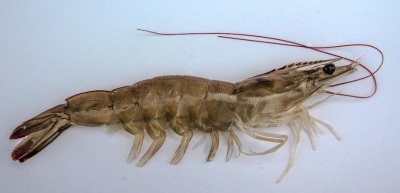
Giant Tiger Prawn (Penaeus monodon)
This large black tiger shrimp is favored for its size and texture. Major producing countries include India, Bangladesh, Vietnam, Indonesia, the Philippines, and several African nations such as Madagascar and Mozambique.
It is usually marketed as HOSO, HLSO, or cooked tail-on shrimp and is particularly popular in Japan, the EU, the Middle East, and Australia.
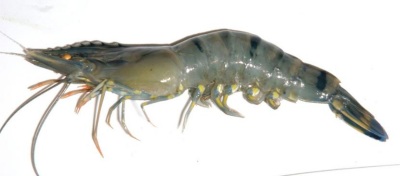
Kuruma Prawn (Marsupenaeus japonicus)
Kuruma prawn is known for its excellent flavor and is often sold live for the premium Japanese market. Production is concentrated in Japan, Australia, China, and Taiwan.
The species is usually marketed live or chilled as head-on shell-on shrimp for sashimi or high-end cuisine.

Chinese Fleshy Prawn (Fenneropenaeus chinensis)
Widely produced in northern China’s coastal provinces, this species is known for its mild flavor and firm texture.
It is sold mainly as head-on or headless shell-on, as well as peeled and deveined forms.
The major markets are China and South Korea.
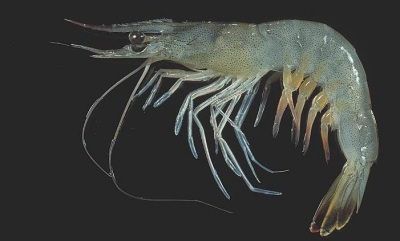
Chinese Fleshy Prawn (Fenneropenaeus chinensis)
Widely produced in northern China’s coastal provinces, this species is known for its mild flavor and firm texture.
It is sold mainly as head-on or headless shell-on, as well as peeled and deveined forms.
The major markets are China and South Korea.
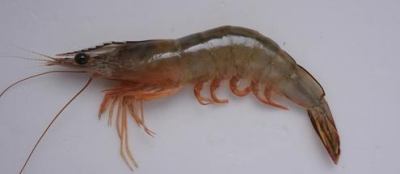
Argentine Red Shrimp (Pleoticus muelleri)
Caught in the cold, clean waters of the Southwest Atlantic, particularly off Argentina and the Falkland Islands, this species has a natural red color and sweet taste.
Products include head-on or headless shell-on, peeled, and cooked shrimp.
The main consumers are in Spain, Italy, China, and Japan.
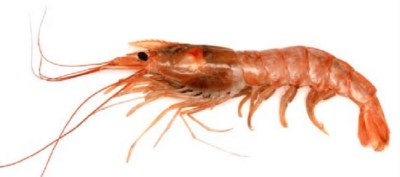
Northern Shrimp (Pandalus borealis)
Also called cold-water shrimp, this species is harvested from the North Atlantic and Arctic waters near Norway, Iceland, Greenland, Canada, and Denmark.
It is mainly sold cooked and peeled for use in salads and ready-to-eat seafood.
Key markets are in Northern Europe, the UK, the USA, and Japan.
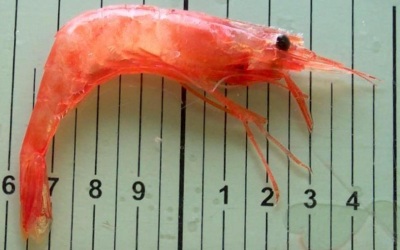
Northern Brown Shrimp (Farfantepenaeus aztecus)
Brown shrimp are primarily caught in the Gulf of Mexico by the USA and Mexico.
They are marketed as head-on or headless shell-on, peeled and deveined, or raw peeled shrimp.
They are widely consumed in the United States and Mexico.
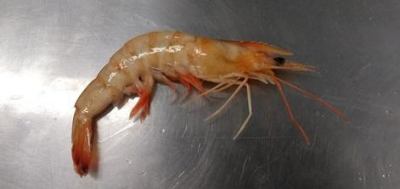
Northern Pink Shrimp (Farfantepenaeus duorarum)
Pink shrimp inhabit the Gulf of Mexico and western Atlantic coasts from Florida to the Carolinas.
They are processed mainly as whole, cooked, or peeled shrimp for domestic U.S. consumption.
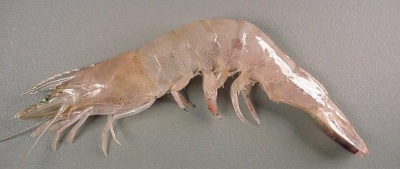
Atlantic or Gulf White Shrimp (Litopenaeus setiferus)
This species is fished along the Gulf of Mexico and the southeastern U.S. coast.
It is usually sold as head-on or peeled raw shrimp and is popular in traditional American dishes such as gumbo and grilled seafood.
Major markets are the United States and nearby Latin American regions.
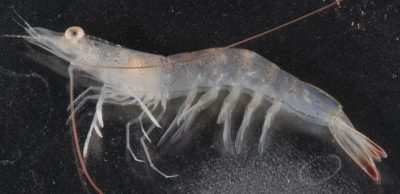
Market Insights
Whiteleg shrimp dominates global supply due to its fast growth and consistent size, ideal for processed and cooked products.
Giant tiger prawn occupies the premium segment, favored for its large size and distinct texture.
Cold-water shrimp are valued for ready-to-eat applications in salads and sandwiches.
Argentine red shrimp command high prices for their natural color and flavor, especially in Mediterranean cuisine.
Gulf species such as brown, pink, and white shrimp are traditional favorites in U.S. domestic markets.
Top 10 Freshwater Shrimp Species
Freshwater shrimp are an important part of the global aquaculture and fishery industry, especially in Asia, South America, and Africa. They are known for their delicate texture, sweet taste, and adaptability to a variety of cooking styles.
Below is an overview of the ten best-selling freshwater shrimp species, including their major producing countries, typical processing methods, and common culinary applications around the world.
Giant River Prawn (Macrobrachium rosenbergii)
The giant river prawn is the most widely farmed freshwater shrimp globally. Major producing countries include China, India, Bangladesh, Thailand, Vietnam, Indonesia, Malaysia, Myanmar, and Brazil.
It is typically processed as head-on shell-on (HOSO), headless shell-on (HLSO), peeled and deveined (PD/PUD), or cooked and frozen as IQF shrimp.
In cuisine, it is often grilled or barbecued whole, stir-fried with curry or garlic, or steamed with soy and ginger. It is also popular in coconut-based sauces across South and Southeast Asia.
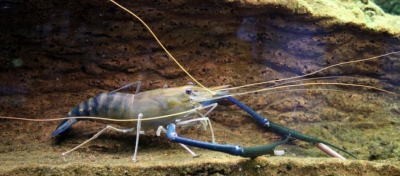
Oriental River Prawn (Macrobrachium nipponense)
This smaller prawn species is popular in China and Taiwan, where it is both farmed and caught from lakes and rivers.
It is commonly sold live or chilled, and sometimes peeled and deveined for retail packs.
In kitchens, it is stir-fried with soy and rice wine, deep-fried with vegetables, or boiled in soups and hot pots.
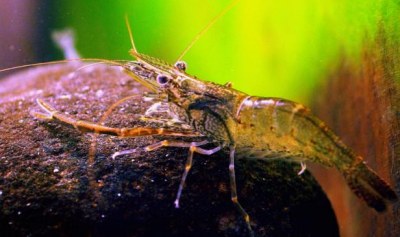
Indian River Prawn (Macrobrachium malcolmsonii)
The Indian river prawn, also called “scampi,” is found mainly in India and Pakistan.
Processing methods include headless shell-on and peeled and deveined forms, often frozen for export.
It is widely used in Indian-style curries, tandoori prawn dishes, and pan-fried recipes with garlic butter.

Amazon River Prawn (Macrobrachium amazonicum)
This species comes from the Amazon and Tocantins river systems and is mostly produced in Brazil.
It is marketed fresh or chilled, and sometimes cooked and peeled for local markets.
In Brazilian cuisine, it is featured in seafood stews (caldeirada), grilled dishes, and sautéed recipes with herbs and chili.

African River Prawn (Macrobrachium vollenhovenii)
Found across West African rivers and estuaries, especially in Nigeria, Ghana, Senegal, Benin, and Côte d’Ivoire, this species supports local fishing communities.
It is usually sold fresh or frozen whole, or smoked and sun-dried for preservation.
Common dishes include grilled prawns, tomato-based stews, and okra or pepper soups.
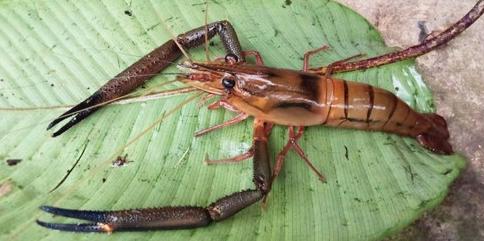
Big-Claw River Prawn (Macrobrachium carcinus)
This is one of the largest freshwater prawns, known for its strong claws and firm meat.
It is harvested mainly in Brazil, Costa Rica, Honduras, and Nicaragua.
The prawns are usually sold fresh or live, prized in restaurants.
They are chargrilled with garlic butter or boiled in spicy seafood stews throughout Latin America.
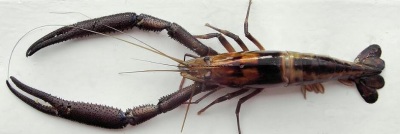
Cinnamon River Prawn (Macrobrachium acanthurus)
This species inhabits rivers and estuaries from the southern United States to Brazil and the Caribbean.
It is mainly sold fresh or salted, sometimes dried for local trade.
Common dishes include Caribbean-style shrimp soups, fried prawns with chili, and boiled shrimp with herbs.
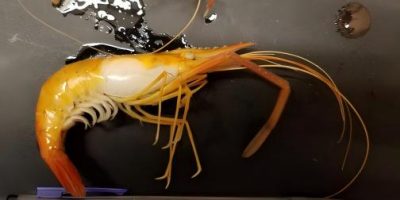
West African River Prawn (Macrobrachium macrobrachion)
Widely distributed in Benin, Nigeria, and Cameroon, this species is harvested by artisanal fishers.
It is typically sold fresh or frozen whole, and sometimes sun-dried.
In cooking, it appears in pepper soups, palm oil stews, and grilled preparations.

West African River Prawn (Macrobrachium macrobrachion)
Widely distributed in Benin, Nigeria, and Cameroon, this species is harvested by artisanal fishers.
It is typically sold fresh or frozen whole, and sometimes sun-dried.
In cooking, it appears in pepper soups, palm oil stews, and grilled preparations.
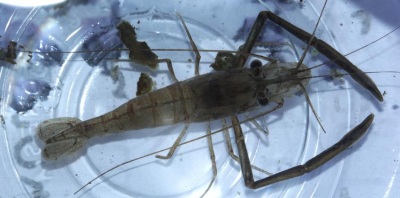
Chinese River Shrimp (Palaemon modestus)
Native to China’s lowland lakes and river systems, this small shrimp is widely consumed in East Asia.
It is sold live, fresh, or blanched, and sometimes lightly salted.
Popular cooking styles include pan-frying with salt and pepper, boiling with soy or vinegar dipping sauce, and adding to soups or congee.

While marine shrimp are traded globally and processed on an industrial scale, freshwater shrimp are typically limited to local consumption. Because they are more sensitive to handling, have shorter shelf life, and cannot be transported long distances or produced on massive scales, they are rarely sold through large processing lines or export markets. Instead, most freshwater shrimp are consumed fresh or live within their farming regions.
Among all twenty species discussed in this article, the Pacific white shrimp (Litopenaeus vannamei) stands out as the dominant species in global shrimp trade. Its fast growth, adaptability to high-density farming, uniform size, mild flavor, and excellent yield after peeling make it ideal for mechanized processing, freezing, and international distribution—earning it the position as the most widely farmed and exported shrimp in the world.
Summary
As a shrimp processing machinery manufacturer, we understand that every shrimp species—whether marine or freshwater—has its own size, texture, and shell characteristics that directly influence how it should be processed. Designing an efficient production line requires a clear understanding of these differences to ensure optimal peeling, deveining, cooking, and freezing performance.
Our engineers customize processing solutions based on the shrimp type and desired final product, helping clients achieve consistent quality and high yield. Furthermore, each finished product—from head-on shell-on to peeled and cooked forms—requires a suitable packaging method to preserve freshness, extend shelf life, and meet market preferences.
To learn more, visit our detailed articles on Shrimp Processing Way and Shrimp Packing Methods, which explain how to choose the right equipment and packaging for your specific shrimp products.